




What’s Up San Carlos is your ultimate Travel Guide to San Carlos, Sonora, Mexico
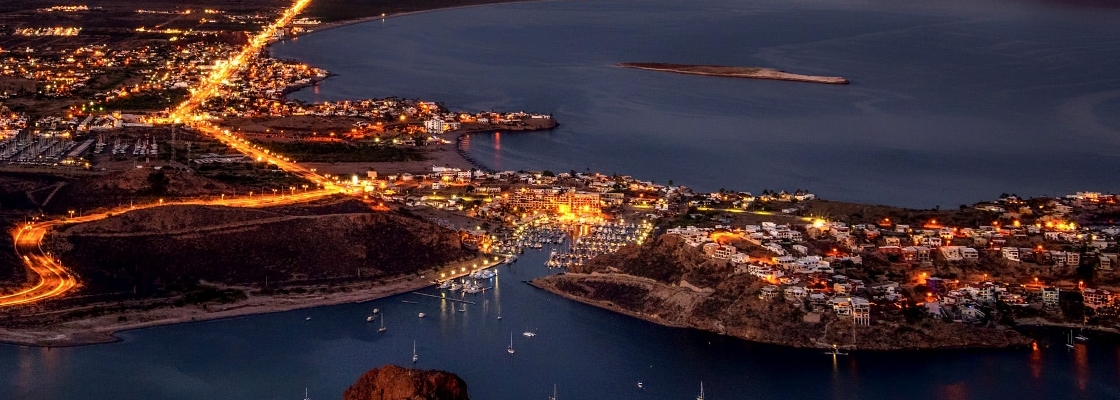
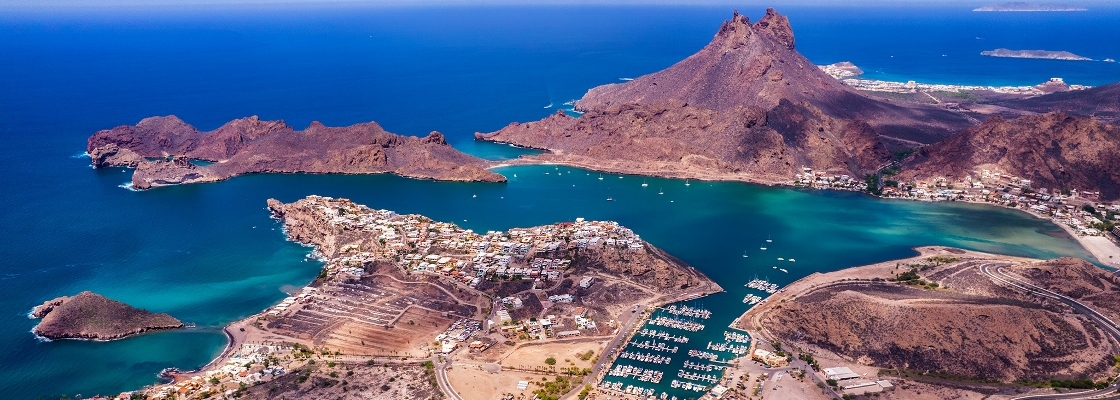
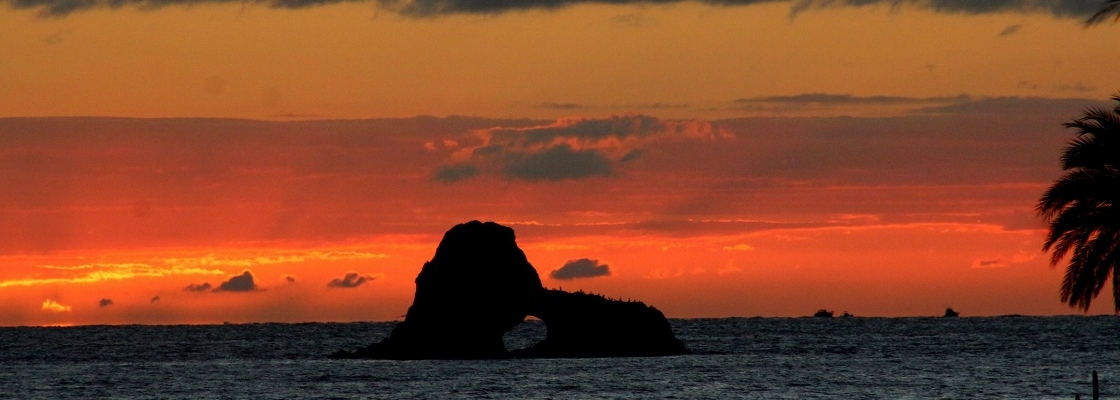
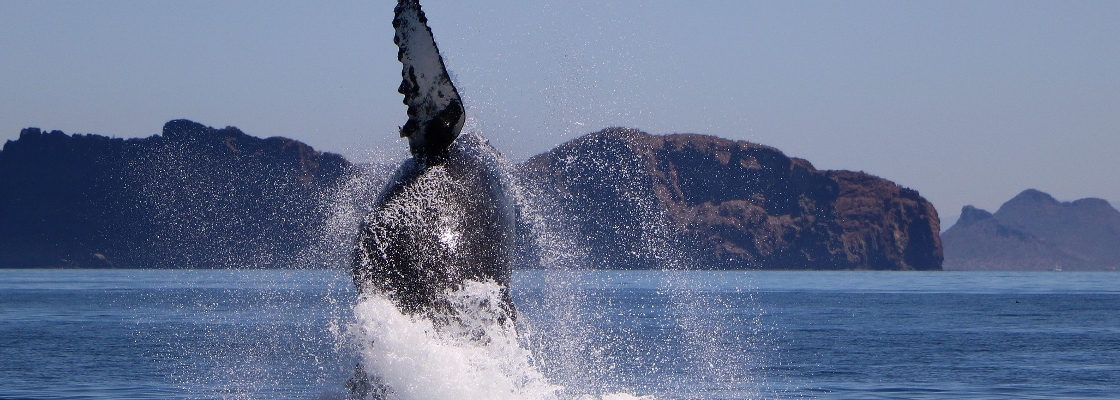
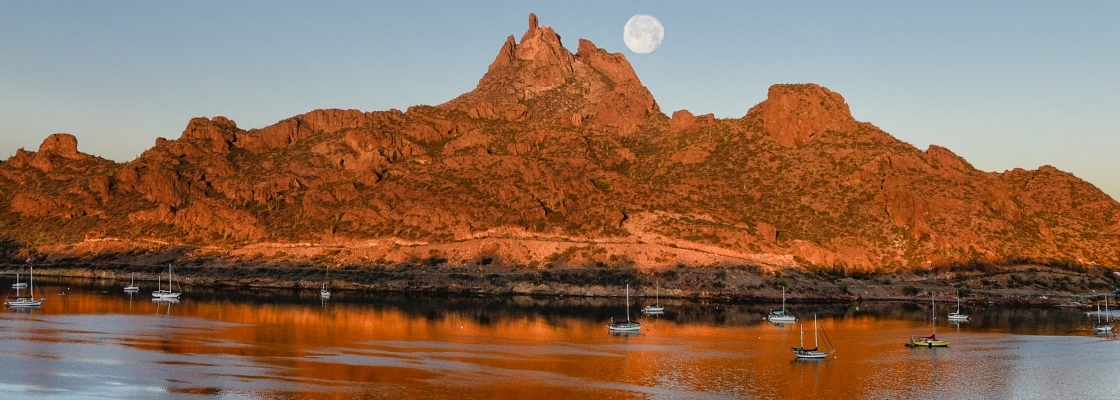
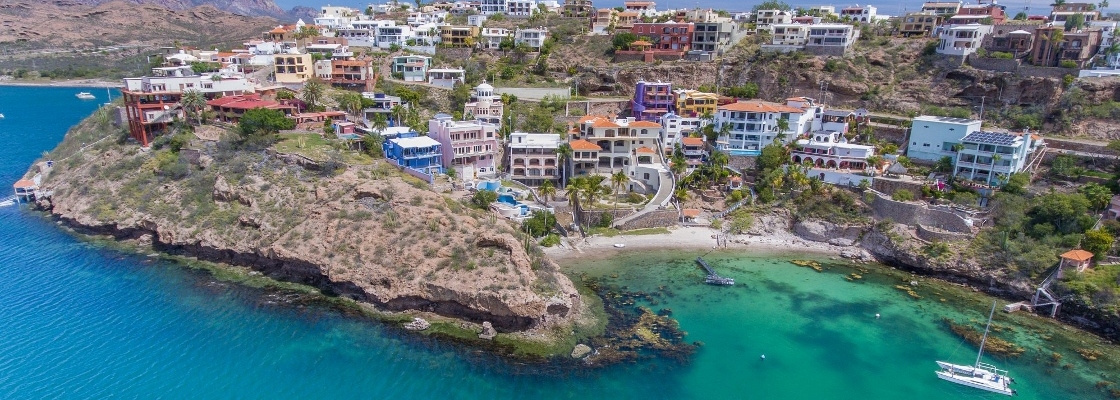
Welcome to What’s Up San Carlos — your local guide to everything that makes San Carlos, Sonora, Mexico so special. From sun-soaked beaches and breathtaking mountain views to great food, live music, and adventure on the Sea of Cortez, we’ll help you fall in love with this little slice of paradise. Feel the ocean breeze, explore hidden beaches, watch dolphins play at sunset, and discover why this coastal gem on the Sea of Cortez captures the hearts of everyone who visits. Discover the best beaches in San Carlos and hidden coves on the Sea of Cortez.
Start exploring the best things to do, eat, and see in San Carlos below.
About San Carlos Sonora Mexico
San Carlos Sonora Mexico, nestled between the Sea of Cortez and the mountains, offers numerous activities both on shore and in the water. Awaiting you are soft sand beaches, two world class marinas, and an 18 hole, par 72 championship golf course. Whether you’re looking for a lazy day on a secluded beach or want to hike, scuba dive and listen to live music all in one day — we have it all!
Check out some photos and videos and start exploring San Carlos.
Where is San Carlos Mexico? San Carlos Sonora is in northern Mexico, on the Gulf of California (Sea of Cortez). We are an easy 4 hour drive south of the Arizona border, and a 5 hour drive from Tucson. Just a short drive from the Arizona border, San Carlos offers a vibrant mix of relaxation and adventure — perfect for weekend getaways or longer escapes.
Where to Eat
San Carlos Sonora has dozens of excellent restaurants, bars and nightclubs. From tacos to fine dining, there’s something to please even the most discerning palate.
Where to Stay
There are many hotels, vacation rentals, and condos to choose from in San Carlos. Vacation Rentals vs Hotels.
There are also many homes for sale. Visit San Carlos Real Estate and talk to a licensed realtor for more information.
Plan your trip to San Carlos
What’s Up San Carlos is your online resource for Guaymas and San Carlos Weather, including daily temperatures, monthly averages, Sea of Cortez marine weather, tide and current predictors, satellite images, solunar table, sunrise, sunset and storm warnings. Read about the best time to visit San Carlos and best months for activities.
Whether you’re flying, driving or arriving by bus or cruise ship, we have resources to help you plan your trip to San Carlos and Guaymas Mexico, including maps of San Carlos Mexico showing where to eat and where to stay. Driving to San Carlos Tips. If you’re driving, remember that you need Mexico Car Insurance.
Do you need a passport to go to Mexico? Yes! Read about Mexico’s passport and entry requirements.
If you’re driving, keep the number for the Green Angels handy. Call 078 to ask for help and road-side assistance from the Green Angels.
Is it safe to travel to Mexico? Yes! Read first-hand accounts of travelling to and living in our little slice of paradise.
What to Do in San Carlos Mexico
- San Carlos Mexico has great fishing in the Sea of Cortez. Read the fishing guide and weekly fishing report here. You can even try your luck in one of the many fishing tournaments.
- Discover the Best Beaches in San Carlos.
- Top 10 Things to Do in San Carlos, Sonora – Beaches, Hikes & Hidden Gems
- Mirador: for a beautiful view of the coast and Tetakawi. From the Mirador, you can spot lots of marine life such as whales, mobula rays and dolphins. It’s also a great place to watch the sun set.
- Check out the Tetakawi Hike Guide.
- Nacapule Canyon
- San Pedro Island
- Discover 2025–26 events in San Carlos, Sonora — concerts, tournaments, festivals, and more. Updated weekly. And read the free weekly newsletter for more details on live entertainment and events this week
- Water activities (snorkeling & diving, kayaking, San Carlos fishing charters, paddle boarding, kite boarding, flyboarding, etc). Check out the beaches.
- Pickleball and tennis
- Golf. Sign-up for one of the many golf tournaments and join the men’s or women’s league.
- Explore the Pearl Farm
- Explore Guaymas
- Eat, drink and nightlife
- More Things to Do … year-round outdoor adventures like hike, bike, ATV, horseback ride, bird watching.
What’s Up San Carlos Newsletter
To keep informed of all of the events, festivals and news read the free weekly newsletter and sign up to receive the newsletter.
If you are having or sponsoring an event in Guaymas or San Carlos, please send us the information to christa@whatsupsancarlos.com.
Business Directory
Visit the Business Directory to find local businesses like dentists, realtors, hair salons, storage, gyms and much more.
Travel to safe, fun and affordable San Carlos, Sonora Mexico
What’s up San Carlos? Come find out for yourself … Make San Carlos Sonora Mexico your next vacation destination.